Syria is a land of profound history, warm hospitality, and stunning attractions.
However, like any destination with traditions and current realities, there are unwritten rules and practical necessities that visitors should be aware of.
Ignoring these nuances can lead to uncomfortable situations or unnecessary risks.
This guide isn’t about restricting your freedom; it’s about helping you integrate smoothly into Syrian society and ensuring your safety.
Here are the things you shouldn’t do when traveling in Syria.
1. Don’t Ignore the Dress Code
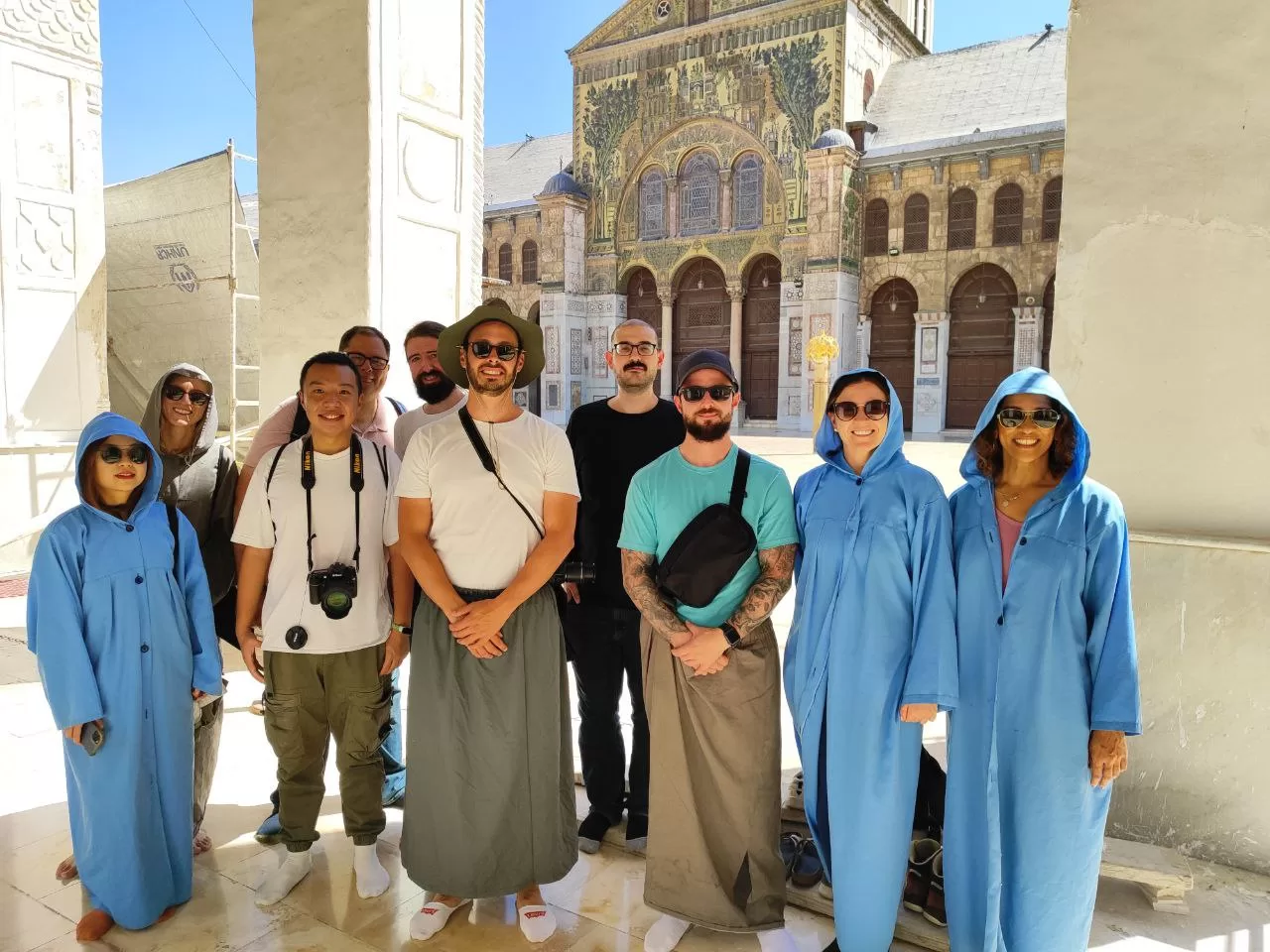
While Syria is generally more liberal than some neighboring countries, modesty is deeply valued, especially in religious and traditional areas.
In Religious Sites: When visiting mosques (like the Umayyad Grand Mosque) or churches (like the Church of Saint Ananias), cover your shoulders and knees.
Women may need to carry a scarf for their hair, though enforcement varies by location.
Men should avoid sleeveless tops.
In Old Cities: In the medinas of Damascus and Aleppo, conservative locals are prevalent.
Wearing revealing clothing (short shorts, tank tops) will draw unwanted attention and stares.
Opt for comfortable but modest attire—long pants, loose shirts, and dresses that cover the midriff.
2. Don’t Rely Solely on Credit Cards – Carry Cash
One of the most critical logistical errors tourists make is assuming international banking works seamlessly in Syria.
Due to the previous sanctions and infrastructure challenges, Visa and Mastercard often do not work at ATMs or merchant terminals.
Although Mastercard works, not all merchants have acquired the necessary card readers yet.
In fact, the economy operates largely on cash.
Small shops, taxis, souks, and even some hotels prefer or exclusively accept US Dollars or Euros.
Currency: Bring crisp, new bills (post-2009 series).
Older, worn-out dollars are often rejected or exchanged at unfavorable rates.
In conclusion, withdraw enough cash for your entire stay before you arrive, or exchange money upon arrival at exchange offices.
Keep small denominations for daily expenses.
3. Don’t Photograph Carelessly
Photography is one of the best ways to capture Syria’s beauty, but it requires extreme caution and respect.
Never Photograph Security Installations:
Taking photos of military checkpoints, soldiers, police stations, or government buildings is strictly prohibited and can result in detention and confiscation of your camera/phone.
If you see a checkpoint, it’s advisable to lower your device.
Ask Before Shooting People:
Syrians are generally friendly, but privacy is important. Always ask for permission before photographing individuals, especially women.
A smile and a nod usually suffice.
If they hesitate, move on.
Check Inside Buildings: Some museums or private courtyards may have no-photo zones. Look for signage or ask staff.
Focus on architecture, landscapes, food, and candid street scenes (where faces aren’t the focus).
4. Don’t Disrespect Personal Boundaries
Syrian society places a high value on family honor and personal space, particularly regarding gender interactions.
Physical Contact:
Do not initiate physical contact with women who are not your wife/partner.
Handshakes between men and women are not customary unless the woman extends her hand first.
Hugging or touching arms is inappropriate in public settings.
Staring: Prolonged staring at women is considered disrespectful and aggressive.
Keep your gaze neutral and polite.
5. Don’t Drink Alcohol in Public
Alcohol consumption exists in Syria, primarily in licensed restaurants and bars, but it is heavily stigmatized in public spaces.
Public Consumption: Drinking alcohol on the street, in parks, or in non-licensed venues is culturally frowned upon and can attract negative attention from locals.
Location Matters: Choose your establishments carefully.
Licensed restaurants in hotel complexes or upscale areas in Damascus or Aleppo are accustomed to serving alcohol discreetly.
Street-side cafes or traditional taverns may not serve it at all.
6. Don’t Compromise Your Health
Your well-being is paramount, and Syrian tap water and street food hygiene standards may differ from what you’re used to.
Tap Water: Do not drink tap water.
Even if it looks clear, mineral content levels can cause some stomach issues for visitors.
Street Food: While delicious, street food vendors vary widely in hygiene. Stick to shops that use fresh ingredients and have visible cleanliness.
Licensed Restaurants: For peace of mind, dine at restaurants that display a health license.
Shortly, buy bottled water from sealed packages.
Eat fresh fruits that you peel yourself.
Trust your instincts—if a place looks dirty, walk away.
7. Don’t Use Unregulated Taxis
Transportation in major cities like Damascus can be chaotic.
Unmetered taxis driven by unregistered drivers pose safety and financial risks.
The Risk: Unofficial taxi drivers may overcharge tourists, take long routes, or lack proper insurance.
For this reason, use ride-hailing apps available in Syria (such as Yalla Go, Zakinn Taxi, or local equivalents linked to trusted agencies).
Alternatively, Syria Scope Travel arranges transfers through your tour.
Additionally, agree on a price before getting into a cab if you must use one, or better yet, use app-based services that provide driver identification and route tracking.
Traveling in Syria is a rewarding experience for those who approach it with openness and respect. By adhering to these guidelines, you show appreciation for the local culture and ensure your own safety.
Remember, Syrians are incredibly hospitable people who welcome genuine guests. When in doubt, observe, ask politely, and follow the lead of your local hosts.
Ready to plan your trip? Contact Syria Scope Travel today and let us help you discover the heart of Syria.
For more information about Syria, please get in touch with us today! Alternatively, check out our extensive range of group tours to Syria.
| Share This Post!




| NEWSLETTER
Sign up and get the latest travel news monthly.