The Ghouta region, which literally means “oasis” in Arabic, has been the lifeblood of Damascus for centuries.
Once described as “the halo around the moon,” this fertile plain was home to seven branches of the Barada River that flowed abundantly, creating one of the most productive agricultural areas in Syria.
The region’s fertile soil and abundant water made it the main supplier of vegetables and fruits for Damascus and its rural areas.
For generations, Ghouta sustained Damascus with its agricultural bounty, earning the nickname “the breadbasket of Damascus” and becoming an integral part of the city’s identity and survival.
Ghouta: Syria’s Favorite Weekend Place
Before the war, Ghouta was not just farmland—it was the most popular place for Syrian families to spend their weekends.
Every Friday and holiday, families from Damascus and other cities would come here to relax and connect with nature.
They would spread their blankets under the shade of fruit trees and enjoy picnics with fresh food from local markets.
Children played safely in the open fields, and parents enjoyed traditional Syrian coffee. This was everyone’s favorite escape from city life, a place where people could breathe fresh air, eat fresh fruits, and feel connected to nature and Syrian traditions.
The Chemical Attack on Ghouta That Hurt Everyone
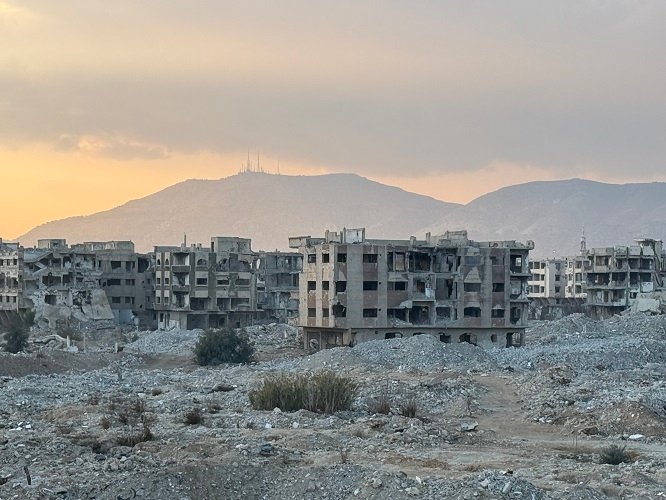
Tragically, this beautiful place became a target during the war. On August 21, 2013, the Assad regime attacked Ghouta with chemical weapons. They used sarin gas, which is a very dangerous poison. The attack happened in the early morning when people were sleeping. Many families died in their homes, including many children. The scenes were very sad—people convulsing and foaming at the mouth, and emergency workers who could not help them. This attack killed at least 1,127 people, including 426 children, and injured over 6,000 others. It showed how cruel the Assad regime was to its own people.
Rebuilding and New Hope
Today, there is new hope in Ghouta. After the fall of the Assad regime, Syrian families who had to leave are coming back to their homes.
Local farmers are working hard, and international organizations are helping.
The people of Ghouta are showing great strength—they are not just rebuilding their homes, but also their hopes for a peaceful future.
The Jobar Synagogue: A Very Old Jewish Place
In the gateway of Eastern Ghouta, there is something very special—the Jobar Synagogue, also called Eliyahu Hanavi Synagogue. This is one of the oldest Jewish synagogues in the whole world. It was built more than 2,700 years ago, in 718 BC.
Sadly, the war damaged this historic place, and many of its treasures were stolen. But now, after the fall of the Assad regime, the few remaining Jews in Syria can visit this special place again, hoping it can be rebuilt and restored to its former glory.
Location of Ghouta and How to Get There
Ghouta is easy to reach from Damascus. It’s just outside the capital on the eastern side; the Ghouta is about 30-45 minutes away by car.
A Wonderful Travel Experience
Visiting Ghouta today is a special experience that you will never forget.
You can start your day by walking through farms where farmers grow fresh fruit and taste oranges, apricots, and herbs picked just hours before. Additionally, you can visit local markets where you can try traditional Syrian foods made with ingredients from Ghouta’s fertile soil.
You will meet farmers who will tell you their stories of survival and how they are rebuilding their lives. This is not just tourism—it’s a chance to be part of Syria’s story of healing and hope.
Ready to embark on your journey? Reach out to us to plan your customized Syria tour, or explore our ready-made options!
For more information about Syria, please get in touch with us today! Alternatively, check out our extensive range of group Syria tours.
| Share This Post!




| NEWSLETTER
Sign up and get the latest travel news monthly.