Syrian artisans have a long history of extraordinary talents in a variety of Handicrafts; each piece they make tells a story about the land, its people, and its way of life.
Despite the challenges that the people faced in previous conflicts, these traditions continue to thrive, and preserving a connection to the past also shows the creativity of the Syrian people.
Damascus Steel and Metalwork
Firstly, Damascus steel is one of the most iconic elements of Syria’s handicrafts heritage, famed for its strength, flexibility, and distinctive water-like pattern. Historically, craftsmen used it to forge swords and knives, and Syrians regard Damascus steel as a symbol of their craftsmanship.
Pottery Handicrafts in Syria: A Timeless Tradition
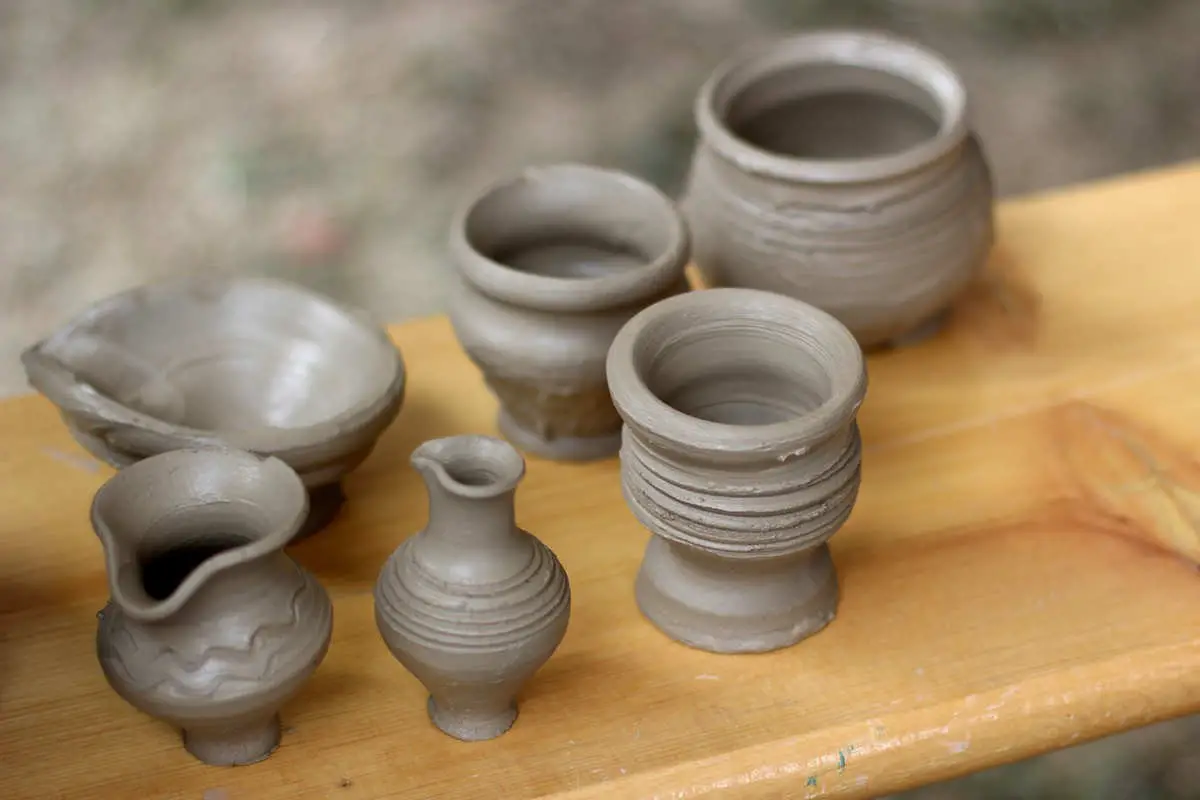
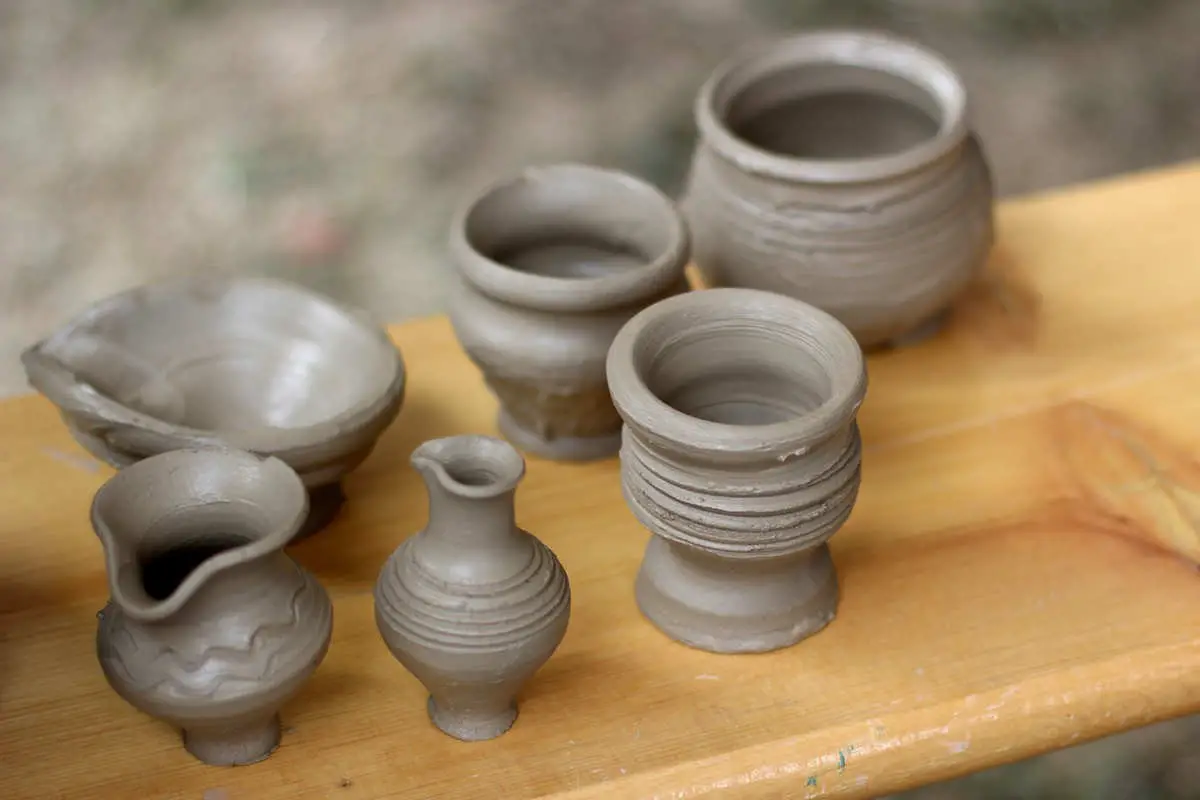
Generations have passed down this ancient art, with each piece telling a story of the land and its people.
Syrian potters, especially in Aleppo, Damascus, and Hama, are famous for their skill in creating both functional and decorative pottery items.
In Syria, artisans largely follow traditional methods for making pottery, starting with the careful selection of local clay, which they shape by hand or on a wheel. They often decorate the pieces with intricate designs that reflect Islamic art and the natural beauty of Syria. After shaping, they bake the pottery in kilns (firing pottery).
Textiles and Weaving
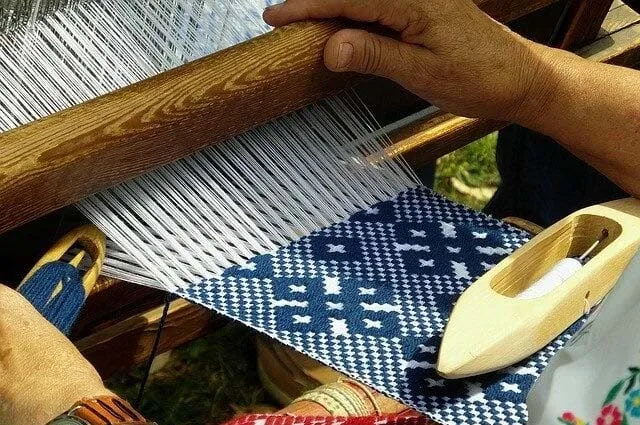
Another important of the country’s tradition of handicrafts is Syrian textiles.
For a very long time, Damascus has been famous for producing marvelous silks and brocades.
In actuality, the textile industry in Damascus is unique in that it employs highly specialized workers.
As a result, weaving silk thread can be a complicated process that involves many steps. Usually, the thread is sent to be doubled and twisted once it has been wound.
Embroidery in the Syrian Tradition
Embroidery is one of Syria’s most valued and ancient handicrafts. This art form involves the intricate stitching of patterns onto fabric, often using vibrant threads and delicate designs that reflect the talent of Syrian artists.
In Syria, embroidery is more than just decoration, indeed. Each pattern has significant meaning, representing aspects of Syrian identity, such as nature, daily life, or historical events.
This craft is especially prominent in rural areas, where women traditionally gathered to work on embroidery, sharing stories and preserving their cultural heritage.
Glassblowing
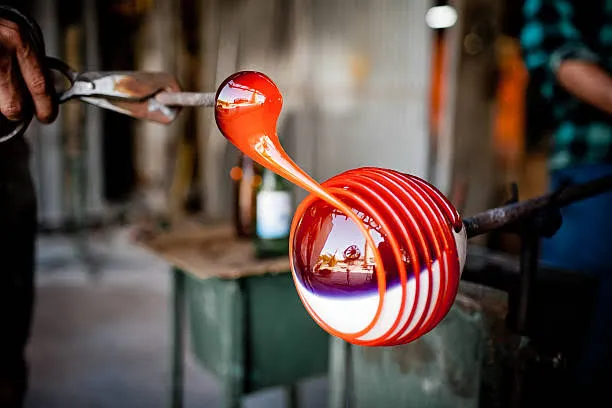
It is a technique that involves inflating molten glass into a bubble with the aid of a blowpipe (or blow tube).
Also, it is one of the oldest in the world, with roots that stretch back to ancient times.
Syrians have long admired the glassblowers for their ability to create delicate and colorful glassware, ranging from simple bottles to ornate vases and chandeliers.
Mosaic: the Famous of Handicrafts
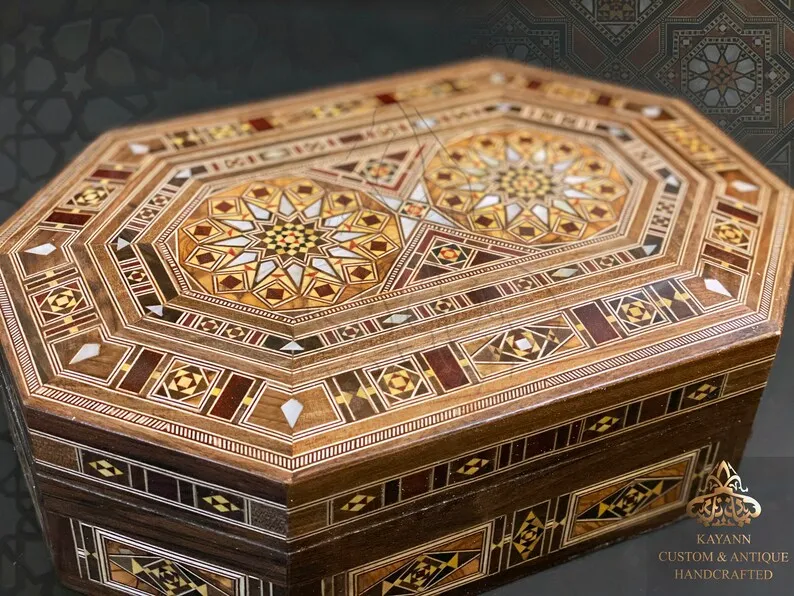
Its long-standing tradition of intricate craftsmanship is noteworthy.
This ancient art form, which involves creating images and patterns using small pieces of colored stone, glass, or ceramic,
has been practiced in Syria for thousands of years, dating back to the Roman and Byzantine periods. Today, Syrian mosaics continue to be celebrated for their beauty, complexity, and historical significance.
Furthermore, the colors used in Syrian mosaics are often rich and varied,
with shades of red, green, blue, and gold being particularly prominent. Initially, artisans begin by sketching a design and then transferring it onto a surface, such as a wall or floor. Consequently, they have passed the technique down through generations, ensuring the preservation of this ancient craft.
Moreover, mosaic art holds a special place in Syrian culture, reflecting the country’s diverse history and its connections to various civilizations, including the Greeks, Romans, Byzantines, and early Islamic dynasties. In religious contexts, mosaics were often used to decorate churches and mosques.
Ultimately, one of the most famous examples of Syrian mosaic art is found in the Great Mosque of Damascus, also known as the Umayyad Mosque. This mosque, in particular, features stunning mosaic decorations that cover its walls and domes.
Syrian Brocade: Weaving History into Fabric
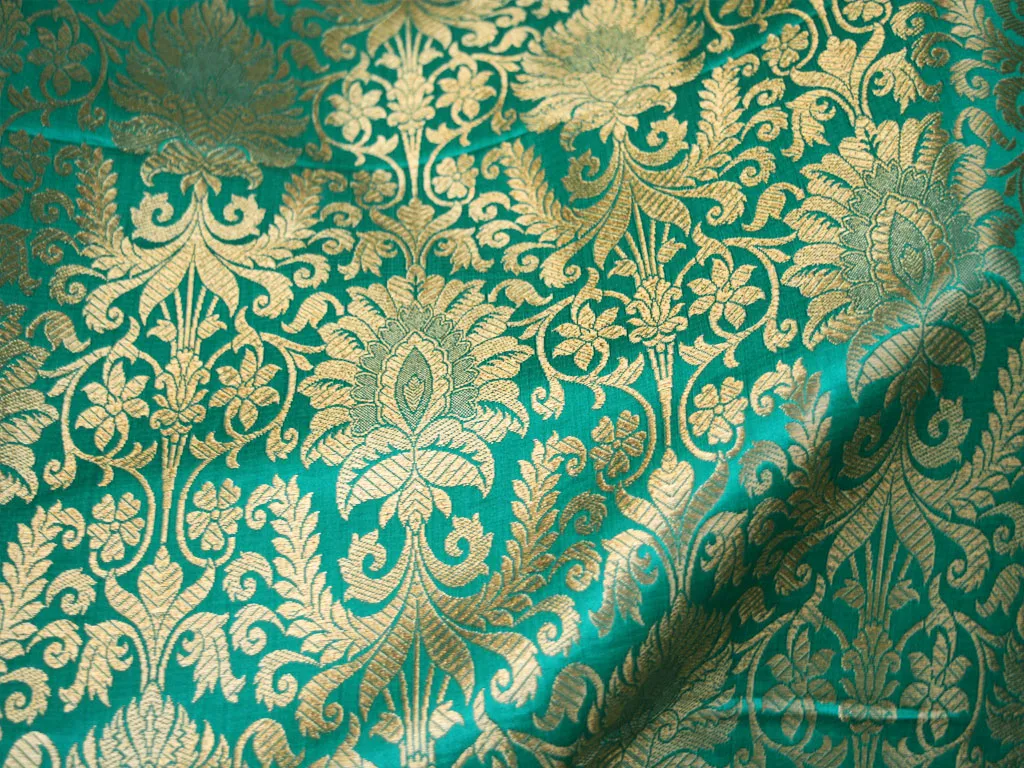
Syrian brocade is a luxurious, richly patterned fabric that has been a symbol of elegance and craftsmanship for centuries.
In fact, originating from the ancient city of Damascus, the specialty of brocade is the use of precious materials like silk, gold, and silver threads. Moreover, the art of brocade weaving in Syria dates back to the Byzantine and Islamic periods, making it one of the oldest and most revered textile traditions in the world.
Additionally, the Patterns of brocade often include floral designs, geometric shapes, and calligraphy, reflecting the diverse cultural influences that have shaped Syrian art over the centuries.
In Damascus, the production of brocade was historically associated with the royal courts and wealthy elites, who prized the fabric for its beauty and opulence.
So, for those who value the timeless beauty of Syrian handicrafts, Syria is waiting for you to come and join us on our trip.
Finally, the handicraft heritage of Syria is more than just a collection of beautiful objects; it is a living tradition that connects the past with the present. Each piece crafted by Syrian artisans carries with it the stories, skills, and soul of a culture that has endured through centuries of change and adversity
So, why wait? Embark on a journey to Syria, and discover the Country’s timeless beauty. We would be happy if you could share your photograph of your Syria Tour with us on Social media.
For more information about Syria, please get in touch with us today! Alternatively, check out our extensive range of group Syria tours.
| Share This Post!




| NEWSLETTER
Sign up and get the latest travel news monthly.